What Is SLES (Sodium Laureth Sulfate)?
SLES — Sodium Laureth Sulfate — is a synthetic surfactant found in the vast majority of commercial body washes, shampoos, and liquid soaps. Its job is simple: create foam. That rich, bubbly lather you associate with a 'good' body wash? That is almost always SLES at work.
SLES is cheap to produce, effective at creating foam, and has been used in cleaning products (including industrial degreasers) for decades. But being good at removing grease is not the same as being good for your skin.
Why Is SLES in Most Body Washes?
Simple economics. SLES is one of the cheapest foaming agents available. It costs a fraction of natural alternatives and produces the dramatic foam that consumers have been conditioned to expect. When you squeeze a body wash and it barely foams, you think it is not working — even if it is cleaning your skin perfectly well.
This consumer expectation has created a cycle: brands use SLES because it foams, consumers buy products that foam, and SLES remains the industry standard. The result is that finding an SLES-free body cleanser requires actively looking for one.
How SLES Damages Your Skin Barrier
Your skin has a natural protective barrier called the acid mantle — a thin layer of oils, amino acids, and beneficial bacteria that keeps moisture in and irritants out. SLES strips this barrier every time you shower.
When your barrier is compromised, two things happen. First, moisture escapes more easily, leaving your skin dry and tight after showering. Second, irritants and bacteria penetrate more easily, leading to sensitivity, redness, and breakouts.
The irony is that many people who use SLES-based body washes then apply heavy moisturizers to compensate for the dryness. They are solving a problem that their body wash created in the first place.
The SLES and Skin Sensitivity Connection
Studies have shown that SLES increases transepidermal water loss (TEWL) — the rate at which moisture evaporates from your skin. Higher TEWL means drier, more reactive skin. Over time, this chronic barrier disruption can make previously normal skin become sensitive.
If you have noticed your skin becoming more reactive over the years — more prone to redness, itching, or irritation — your body wash may be a contributing factor. Switching to an SLES-free cleanser often produces noticeable improvement within 2-3 weeks.
- Tight, dry feeling immediately after showering
- Skin that feels 'squeaky clean' (your barrier has been stripped)
- Increasing sensitivity or redness over time
- Need for heavy moisturizer after every shower
- Irritation after shaving or waxing that takes days to resolve
How to Read Ingredient Labels
SLES hides behind several names on ingredient labels. Look for: Sodium Laureth Sulfate, Sodium Lauryl Ether Sulfate, or any ingredient ending in '-eth sulfate.' A related compound, SLS (Sodium Lauryl Sulfate), is even harsher and should also be avoided.
Ingredients are listed in order of concentration. If SLES appears in the first five ingredients, it is a primary component of the product — not a trace amount.
Be cautious of products labeled 'natural' or 'gentle' that still contain SLES. These marketing terms are not regulated and do not guarantee the absence of harsh chemicals.
What to Use Instead
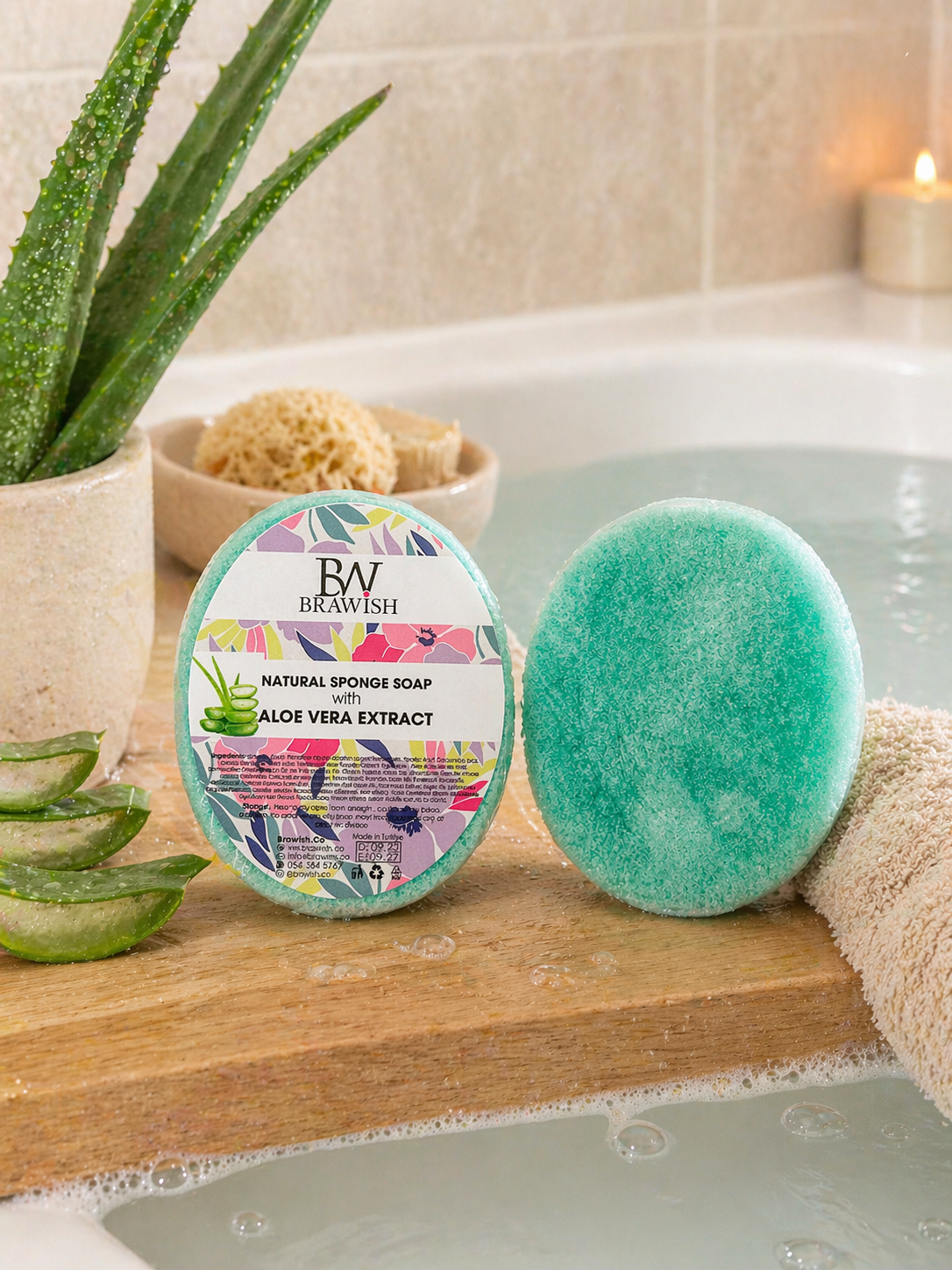
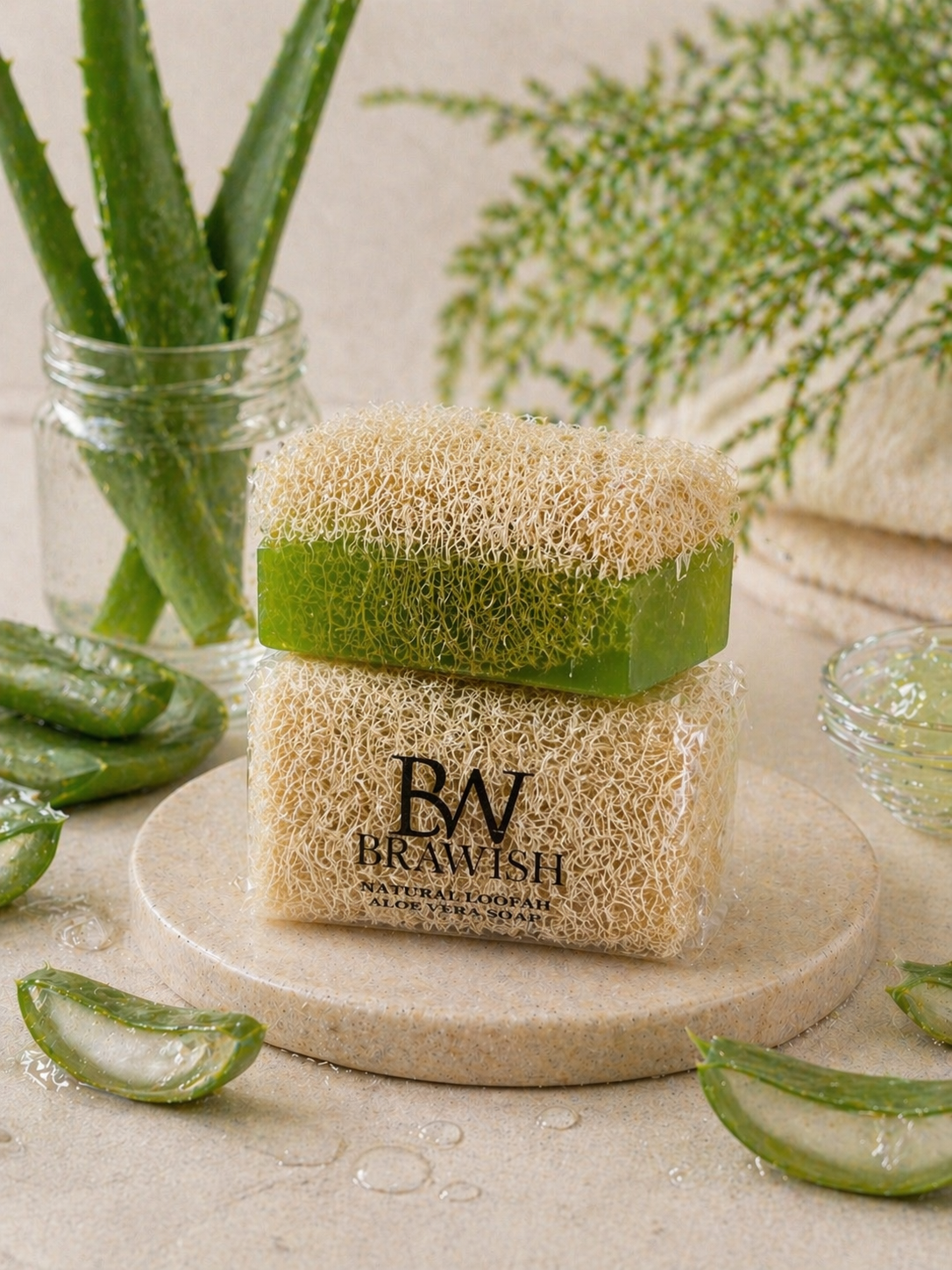
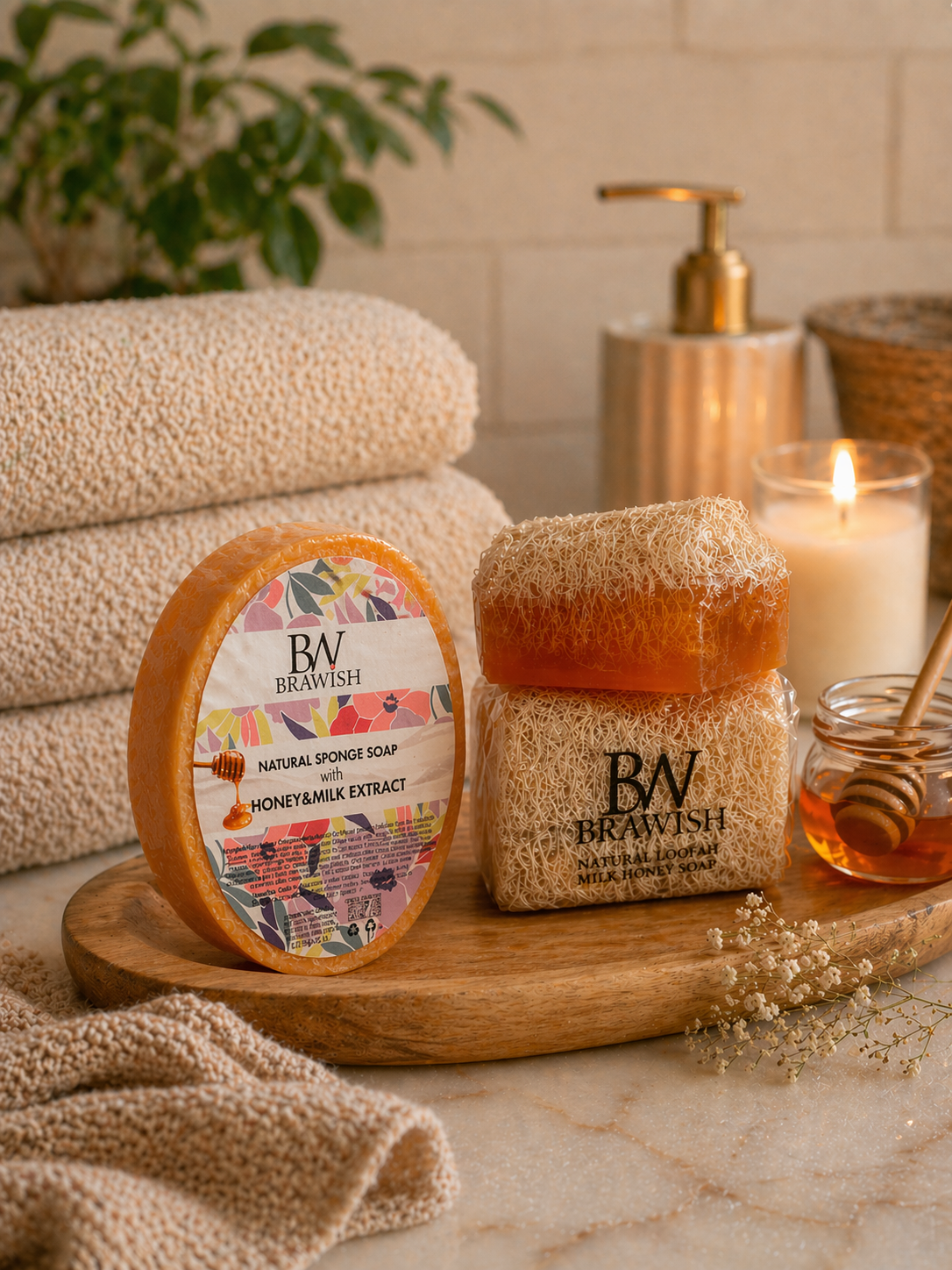
Natural bar soaps use entirely different cleansing mechanisms. Traditional soap-making (saponification) combines natural oils with lye to create a cleanser that removes dirt and oil without the aggressive stripping action of synthetic surfactants.
Look for soaps that are SLES-free, paraben-free, and sulfate-free. Natural ingredients like olive oil, coconut oil, aloe vera, and honey provide effective cleansing while supporting — not destroying — your skin barrier.
The transition from SLES-based body wash to natural soap takes about 2 weeks. During this period, your skin recalibrates its oil production. You may notice slightly less lather (natural soap foams differently than SLES) but your skin will feel genuinely clean, not stripped.