What Is Keratosis Pilaris?
Keratosis pilaris (KP) — sometimes called 'chicken skin' — is a common skin condition that creates small, rough, bumpy patches. It most often appears on the upper arms, thighs, and buttocks, but can occur anywhere on the body except the palms and soles.
KP affects an estimated 50-80% of adolescents and 40% of adults worldwide. It is not dangerous, not contagious, and not caused by poor hygiene. It is a cosmetic concern that many people find frustrating because it does not respond to regular moisturizers or body washes.
Why It Happens
KP occurs when keratin — the protein that protects your skin — builds up and forms hard plugs inside hair follicles. These keratin plugs block the follicle opening, creating the characteristic rough, bumpy texture.
Genetics play a major role. If one or both of your parents had KP, you are more likely to develop it. It often appears during adolescence and may improve with age, but many adults deal with it throughout their lives.
Dry environments and cold weather tend to worsen KP, while humidity can improve it. However, in air-conditioned environments common in the UAE, indoor air is often dry despite outdoor humidity, which can trigger or worsen KP symptoms.
Why Lactic Acid Works
Lactic acid is one of the most effective ingredients for KP. It is an alpha-hydroxy acid (AHA) that dissolves the keratin plugs blocking your follicles. Unlike harsher acids, lactic acid also acts as a humectant — it attracts moisture to your skin while exfoliating.
Milk is a natural source of lactic acid. When used in soap, it provides gentle chemical exfoliation with every wash. Over time, this consistent lactic acid exposure breaks down the keratin buildup and smooths the bumpy texture.
Clinical studies have shown that regular use of lactic acid significantly reduces KP roughness and the appearance of bumps. Results typically begin appearing after 3-4 weeks of consistent use.
The Role of Physical Exfoliation
Chemical exfoliation with lactic acid dissolves keratin plugs from within. Physical exfoliation with a loofah removes the rough, dead skin from the surface. Together, they attack KP from both directions — clearing the plugs and smoothing the texture.
The key is gentle consistency, not aggressive scrubbing. KP skin is often dry and sensitive. Harsh scrubbing can cause inflammation that actually makes the bumps more visible. Use light pressure and let the loofah do the work.
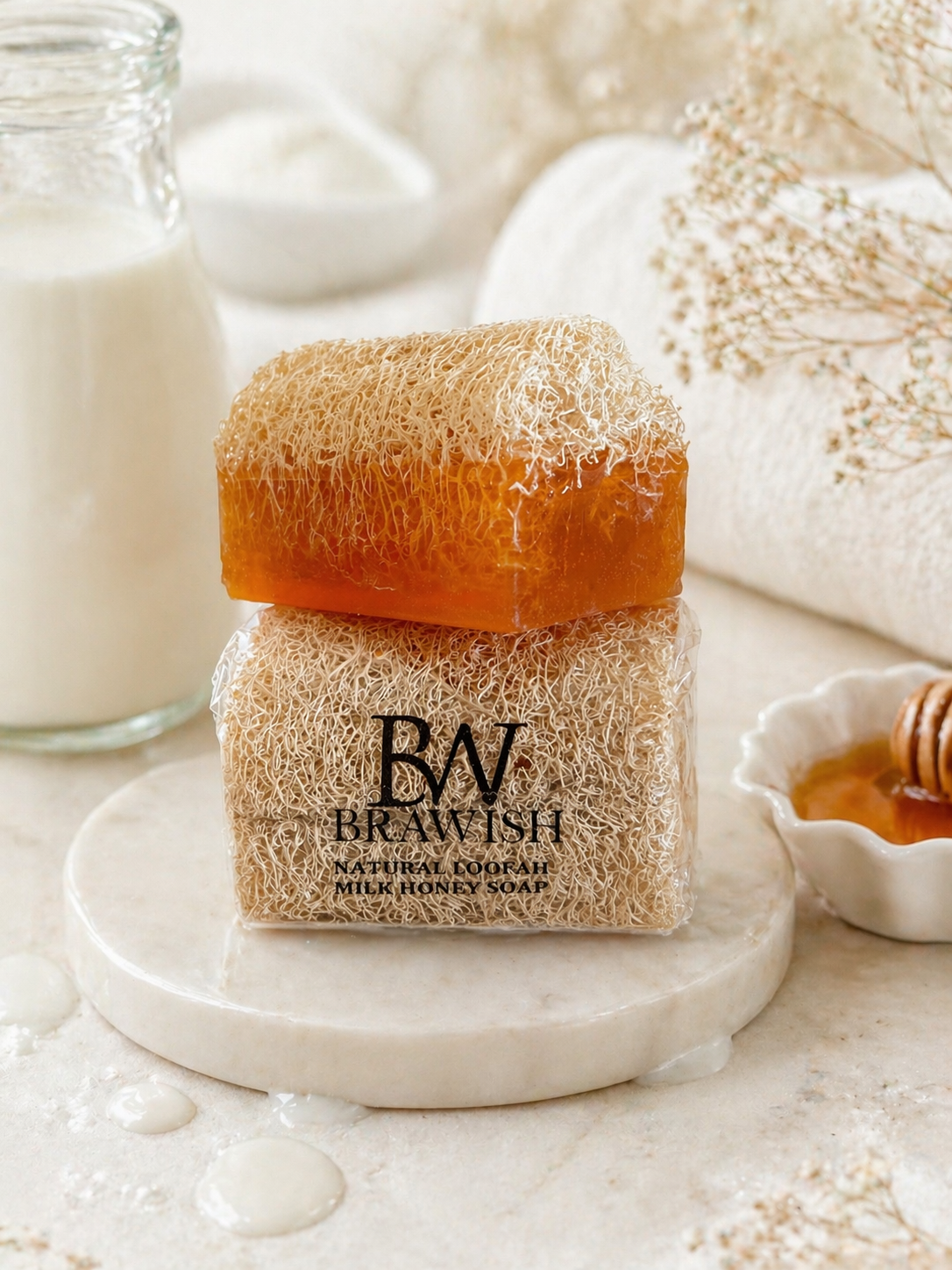
A loofah soap combines both actions in a single step: the soap delivers lactic acid (from milk-based formulas) while the embedded loofah provides controlled physical exfoliation.
Moisturizing Strategy
Moisturizing is just as important as exfoliating for KP. Dry skin makes keratin plugs more prominent and visible. The goal is to keep the skin over the affected areas consistently hydrated.
Humectants are the best type of moisturizer for KP. Honey, glycerin, and hyaluronic acid pull moisture from the air into your skin. Avoid heavy petroleum-based products that can further clog follicles.
Apply moisturizer immediately after showering while your skin is still slightly damp. This locks in the moisture and gives your skin the best chance of staying hydrated between showers.
Daily Routine for KP Management
KP is a chronic condition — it can be managed effectively but rarely disappears entirely. The goal is consistent maintenance that keeps your skin smooth and minimizes the appearance of bumps.
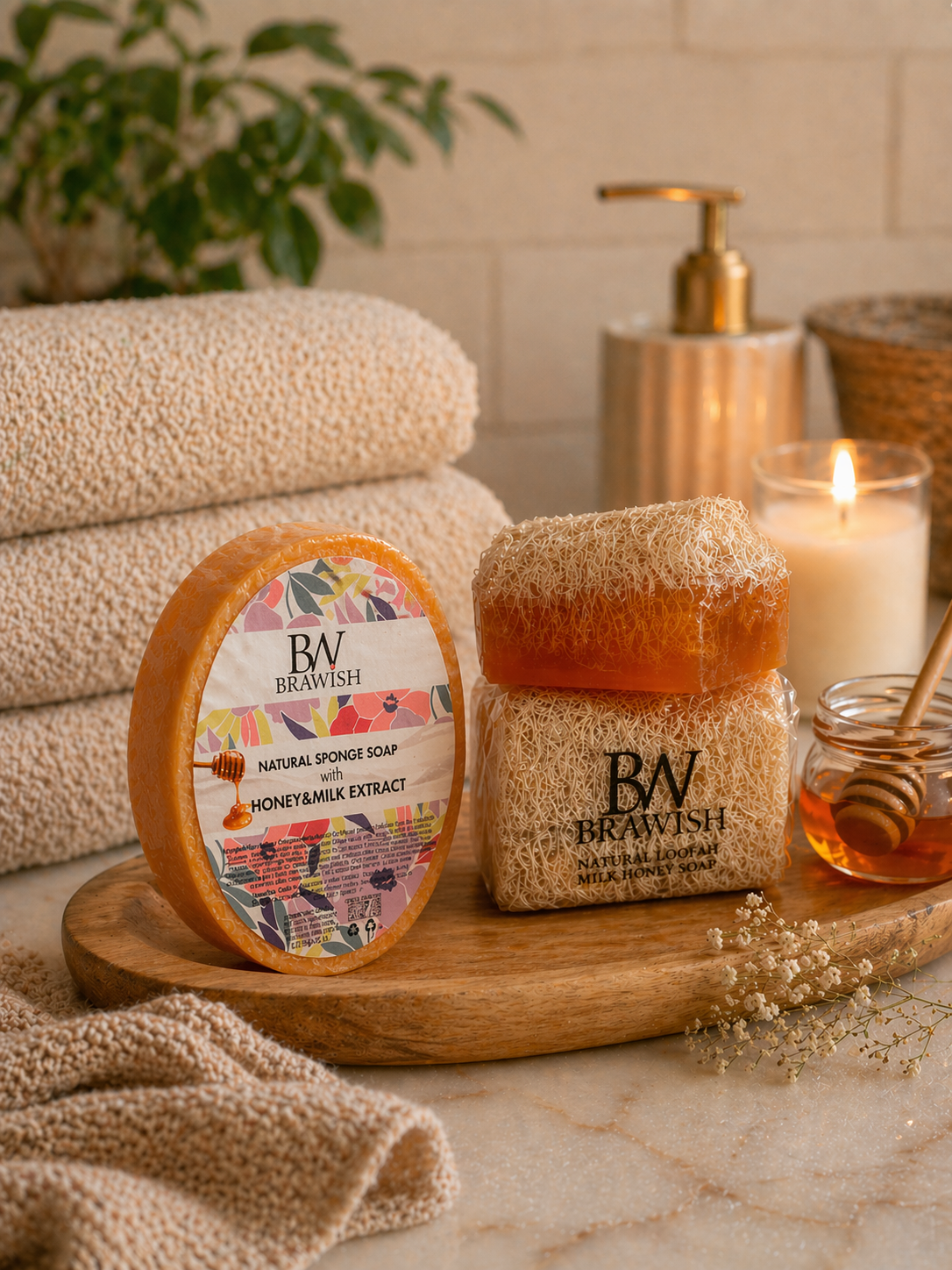
- 2-3 times per week: Use milk and honey loofah soap on affected areas with gentle circular motions
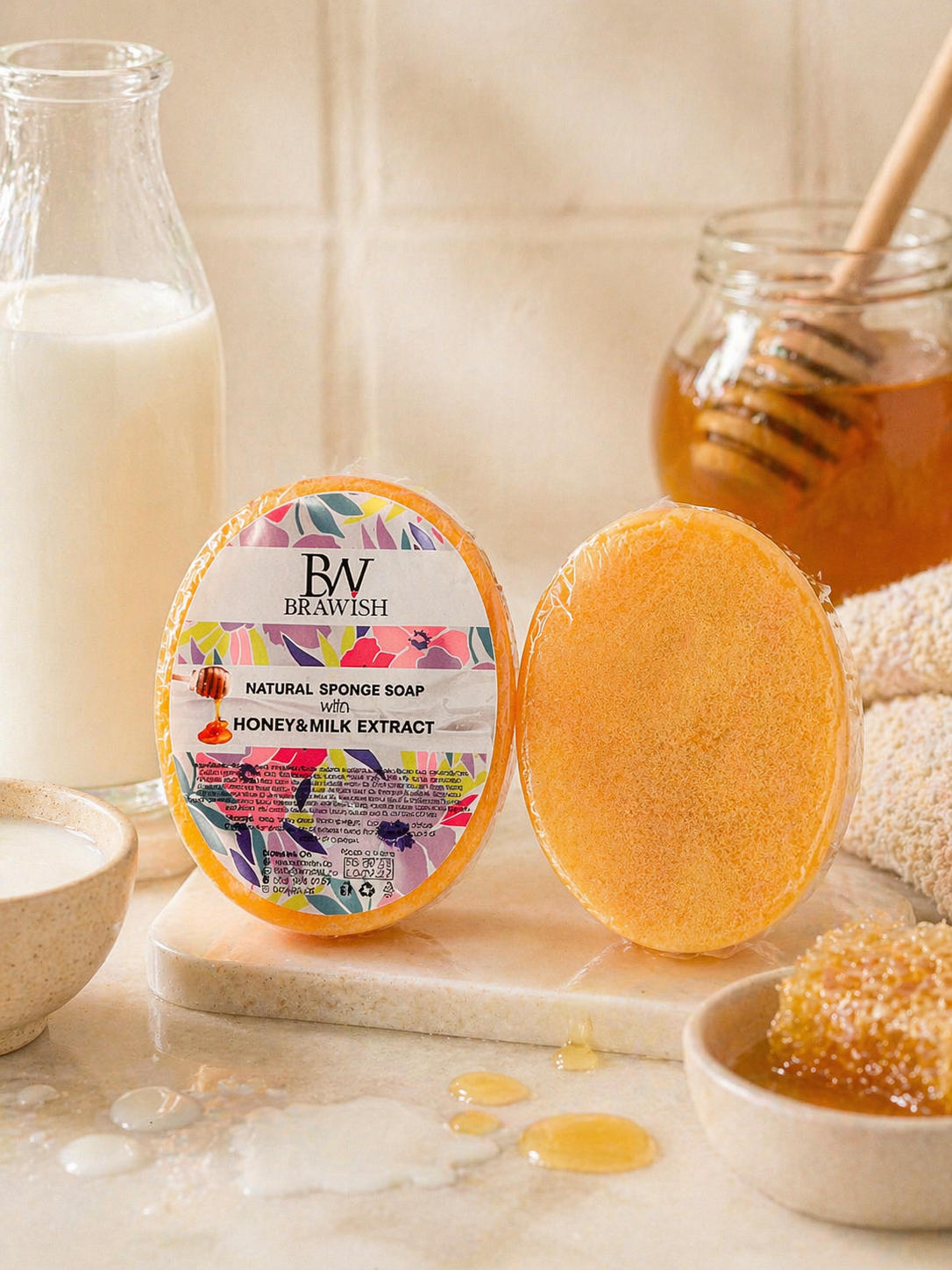
- Other days: Use honey milk sponge soap for gentle daily cleansing
- After every shower: Apply a lightweight, humectant-based moisturizer to damp skin
- Weekly: Check progress — you should see improvement within 3-4 weeks
- Ongoing: Do not stop once bumps improve — consistency prevents them from returning