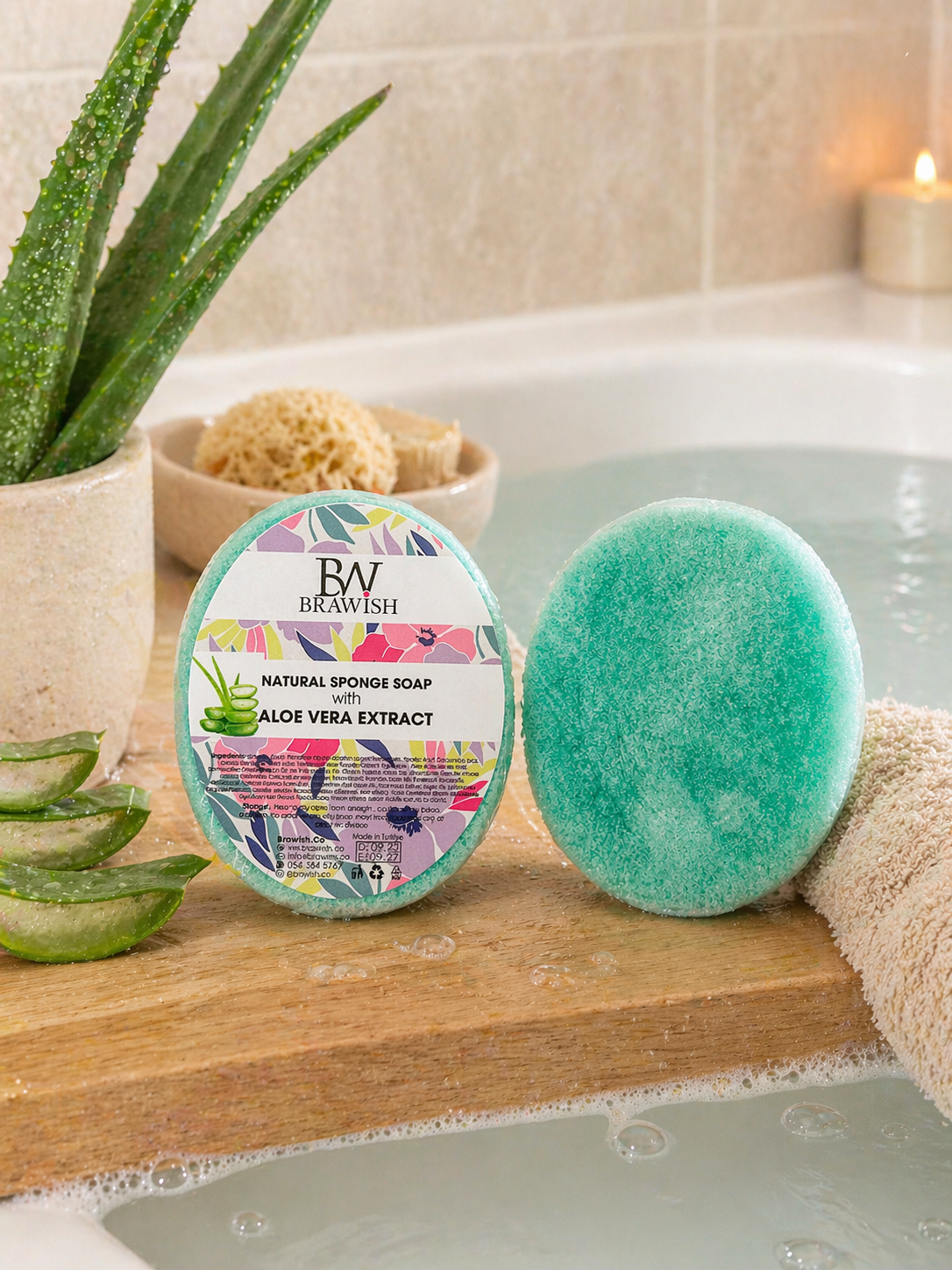
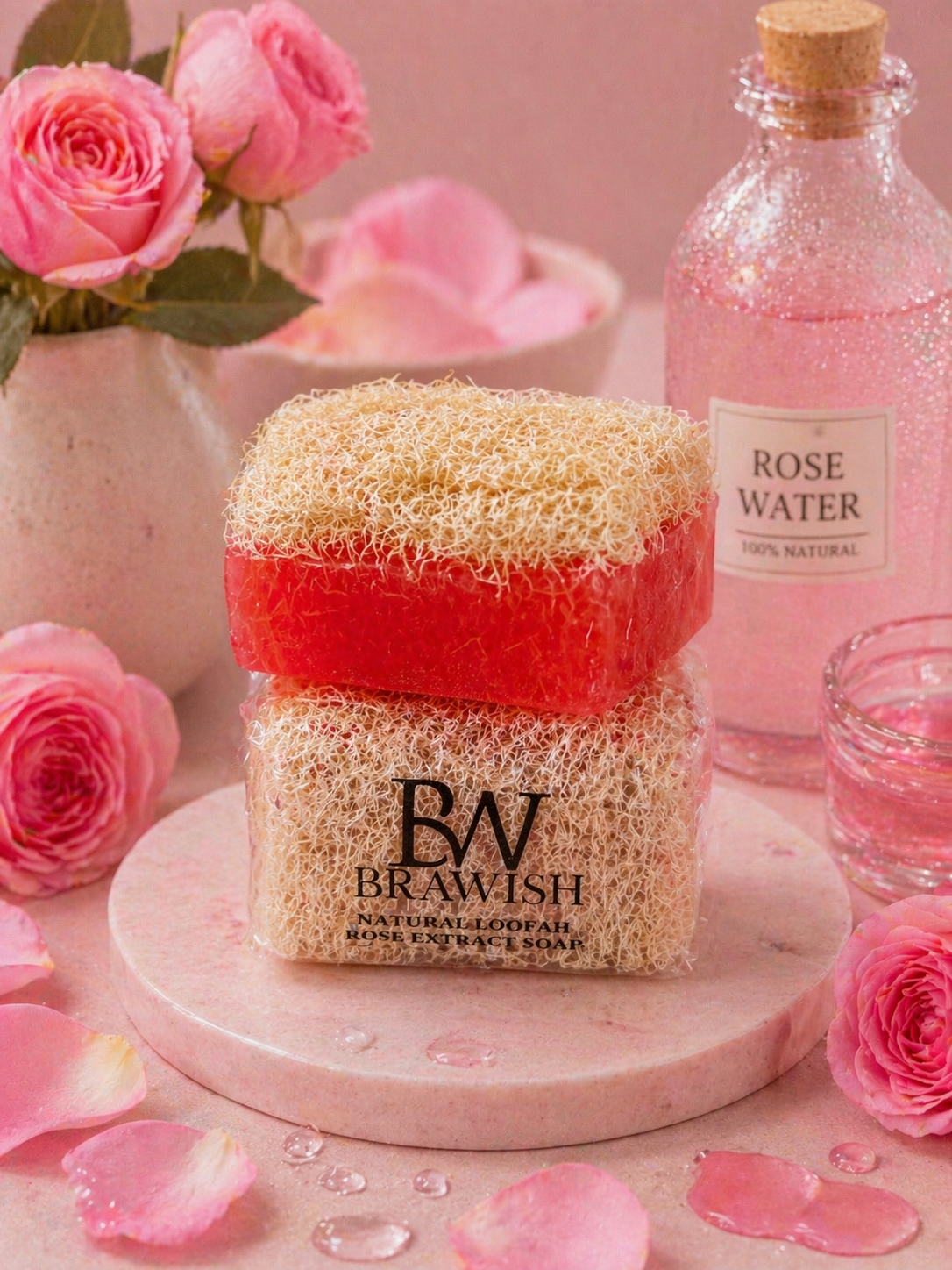
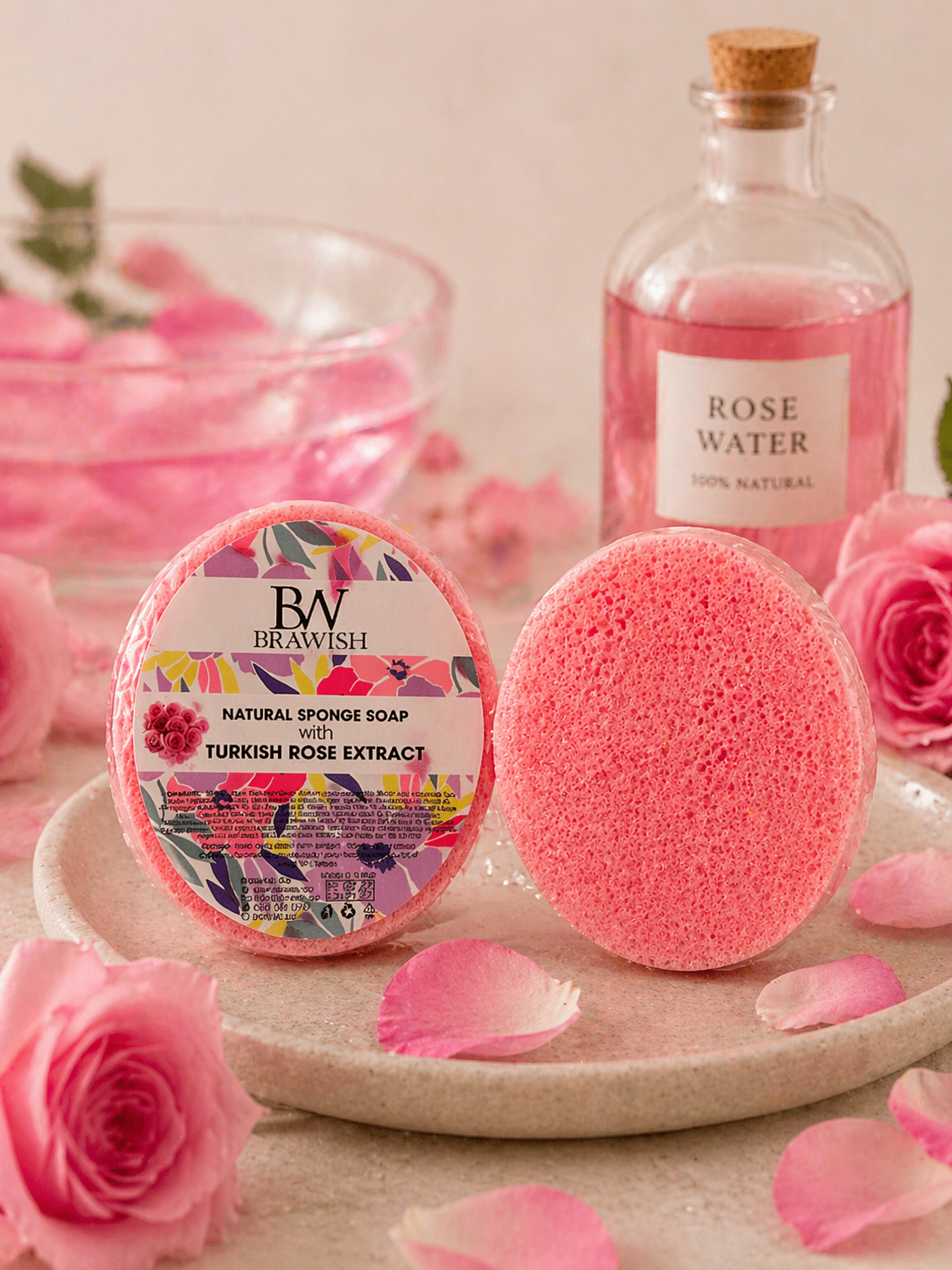
The Marketing vs the Reality
Body wash commercials show creamy lather, flower petals, and promises of 'deep moisture' and 'skin renewal.' The reality is different. Most commercial body washes are primarily water mixed with synthetic surfactants, artificial fragrances, preservatives, and thickeners. The ingredients that actually benefit your skin — if present at all — are usually listed near the bottom in trace amounts.
The fundamental problem is that commercial body washes are designed to foam and smell good, not to care for your skin. Effective skincare and dramatic foam are often mutually exclusive goals, because the chemicals that create rich lather are the same ones that strip your skin.
The Ingredients to Watch Out For
Beyond SLES (Sodium Laureth Sulfate), several common body wash ingredients can damage your skin with daily use.
- Parabens (methylparaben, propylparaben): Synthetic preservatives that can disrupt your skin microbiome and cause irritation
- Synthetic fragrances ('parfum' or 'fragrance'): A single 'fragrance' listing can contain dozens of undisclosed chemicals, many of which are known skin sensitizers
- Triclosan: An antibacterial agent linked to skin irritation and disruption of your skin's natural microbiome
- Formaldehyde releasers (DMDM hydantoin, quaternium-15): Preservatives that slowly release formaldehyde, a known skin irritant
- Artificial colorants (FD&C dyes): Serve no skincare purpose and can irritate sensitive skin
How Your Skin Barrier Gets Stripped Daily
Every shower with a harsh body wash is a minor assault on your skin barrier. The surfactants dissolve not just dirt and sweat, but also the natural lipids that form your protective barrier. After showering, your skin scrambles to rebuild this barrier — but if you shower daily with the same harsh product, it never fully recovers.
Over months and years, this chronic barrier damage accumulates. Skin that was once normal becomes dry. Dry skin becomes sensitive. Sensitive skin becomes reactive. Many people blame aging, weather, or genetics for skin changes that are actually caused by their daily body wash.
Signs Your Body Wash Is the Problem
Your body wash may be causing harm if you recognize these patterns. Pay attention to how your skin feels immediately after showering and in the hours that follow.
- Your skin feels tight or 'squeaky clean' right after showering
- You need to apply moisturizer immediately or your skin feels uncomfortable
- You experience itching, especially on your legs and arms, after showering
- Your skin has become more sensitive or reactive over the past few years
- Post-shaving or post-waxing irritation lasts more than a day
- You have persistent dryness that moisturizer alone cannot resolve
Why Bar Soap Is Making a Comeback
Bar soap fell out of favor in the 1990s when body washes marketed themselves as more hygienic and moisturizing. But the pendulum is swinging back as consumers learn more about what is actually in their products.
Modern natural bar soaps are nothing like the harsh, drying bars of the past. They are made through traditional saponification — combining natural oils (coconut, olive, palm) with lye to create a gentle cleanser. The resulting soap retains natural glycerin, a humectant that draws moisture to your skin.
Natural bar soap also has a sustainability advantage: no plastic bottles, less water in the formula (body wash is typically 80-90% water), and a smaller carbon footprint. Your skin and the environment benefit.
What to Look for in a Body Cleanser
Whether you choose bar soap or liquid cleanser, the principles are the same: effective cleaning without barrier damage.
- SLES-free and SLS-free — no synthetic sulfate surfactants
- Paraben-free — no synthetic preservatives
- No artificial fragrances — look for essential oil-based scents
- Contains natural moisturizing ingredients (glycerin, honey, aloe vera, milk)
- Transparent ingredient list — if you cannot understand what is in it, your skin probably cannot handle it